5 Effective Ways to Boost Your Bitcoin Mining Speed & Hashrate Today
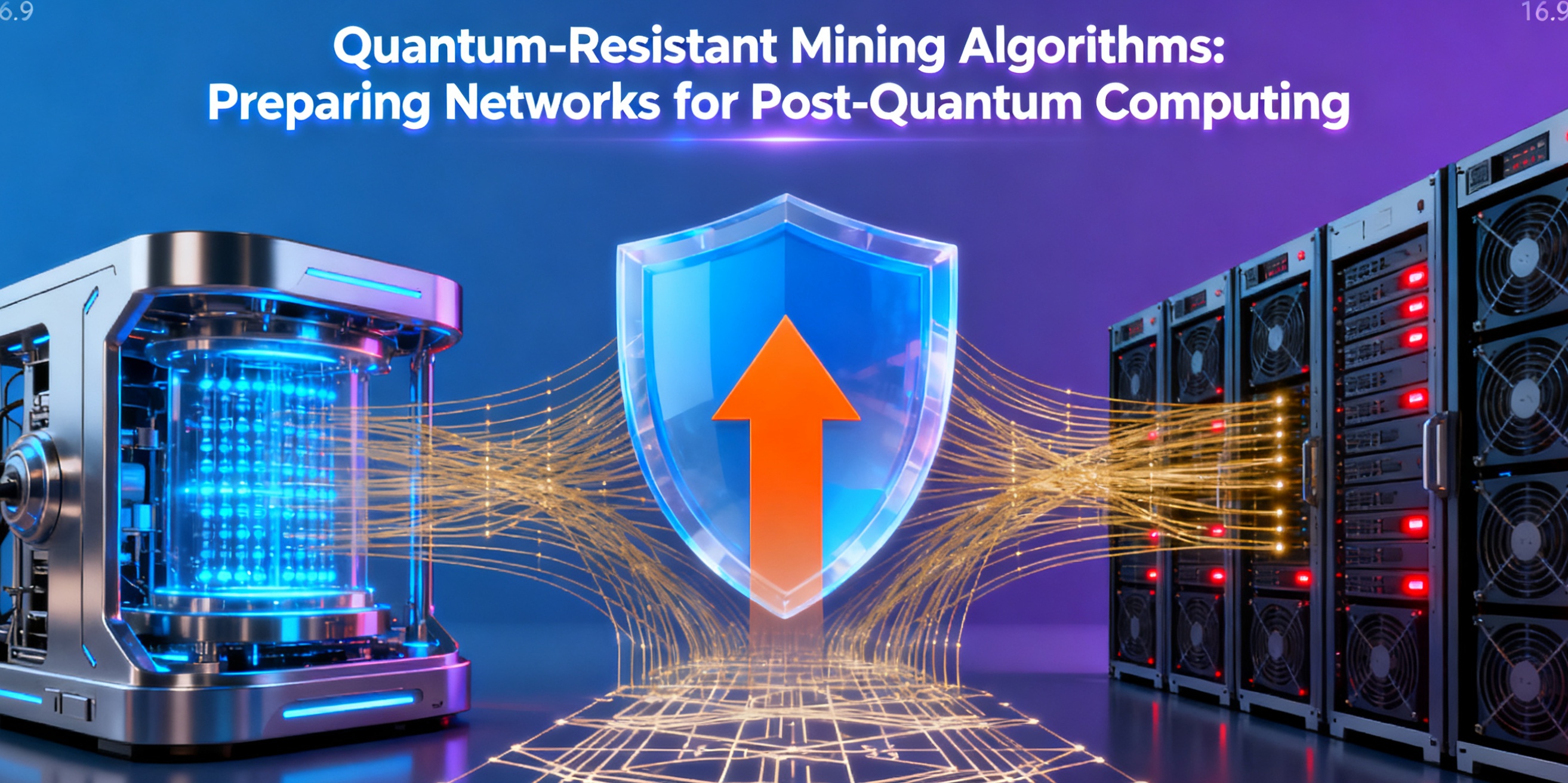
Bitcoin mining is a competitive process where speed, measured in hashrate, is directly tied to potential profitability. Many miners seek ways to optimize their operations and increase their mining speed. While there are no magical shortcuts, several practical and effective strategies can help you improve your mining performance within realistic bounds.
First and foremost, upgrading your hardware is the most impactful method. The Bitcoin network is dominated by specialized Application-Specific Integrated Circuits (ASICs). Older models like the Antminer S9 are vastly outperformed by newer generations such as the Antminer S19 XP or Whatsminer M50S. Investing in modern, more efficient ASICs provides a dramatic increase in hashrate while often improving energy efficiency per terahash, which is crucial for long-term viability.
Secondly, optimizing your mining setup's cooling and environment is critical. ASIC miners generate substantial heat, and excessive temperatures cause thermal throttling, forcing the hardware to slow down to prevent damage. Ensuring excellent ventilation, using dedicated cooling fans, or even employing immersion cooling techniques can maintain your devices at optimal operating temperatures, allowing them to run at their maximum advertised speed consistently and extending their lifespan.
Third, consider overclocking your mining hardware. Overclocking involves configuring your ASIC to run at a higher clock speed than its default setting, pushing it to compute more hashes per second. However, this generates more heat and consumes more power. It must be done cautiously, with adequate cooling and power supply headroom. Undervolting, a related technique, aims to achieve a similar hashrate with lower voltage, improving efficiency. Both methods require research and understanding of your specific device's limits.
Fourth, ensuring optimal software and configuration is essential. Always run the latest firmware provided by your hardware manufacturer, as updates often include performance enhancements and bug fixes. Additionally, choose a reliable and low-latency mining pool. While the pool doesn't increase your hardware's raw speed, a stable connection with minimal stale or rejected shares ensures your full hashrate is contributing effectively to finding blocks, maximizing your earned rewards.
Finally, evaluate and optimize your power supply. Mining rigs require stable and clean power to operate reliably. An underpowered or low-quality power supply unit (PSU) can lead to instability, crashes, and reduced performance. Ensure your PSU has a high-efficiency rating (like 80 Plus Platinum) and sufficient wattage to handle your rig's demands, especially if you are overclocking. Stable electricity is the foundation of consistent mining speed.
In conclusion, increasing your Bitcoin mining speed is a multifaceted endeavor centered on hardware capability, environmental control, and precise configuration. The key is a balanced approach: investing in efficient ASICs, maintaining a cool operating environment, carefully tuning hardware settings, using updated software, and providing clean power. Remember that mining profitability depends not just on speed but also on operational costs, primarily electricity. Therefore, any speed increase should be pursued with a keen eye on its impact on overall efficiency and return on investment.
Post a Comment