How to Start Mining Bitcoin: A Beginner's Step-by-Step Guide 2024
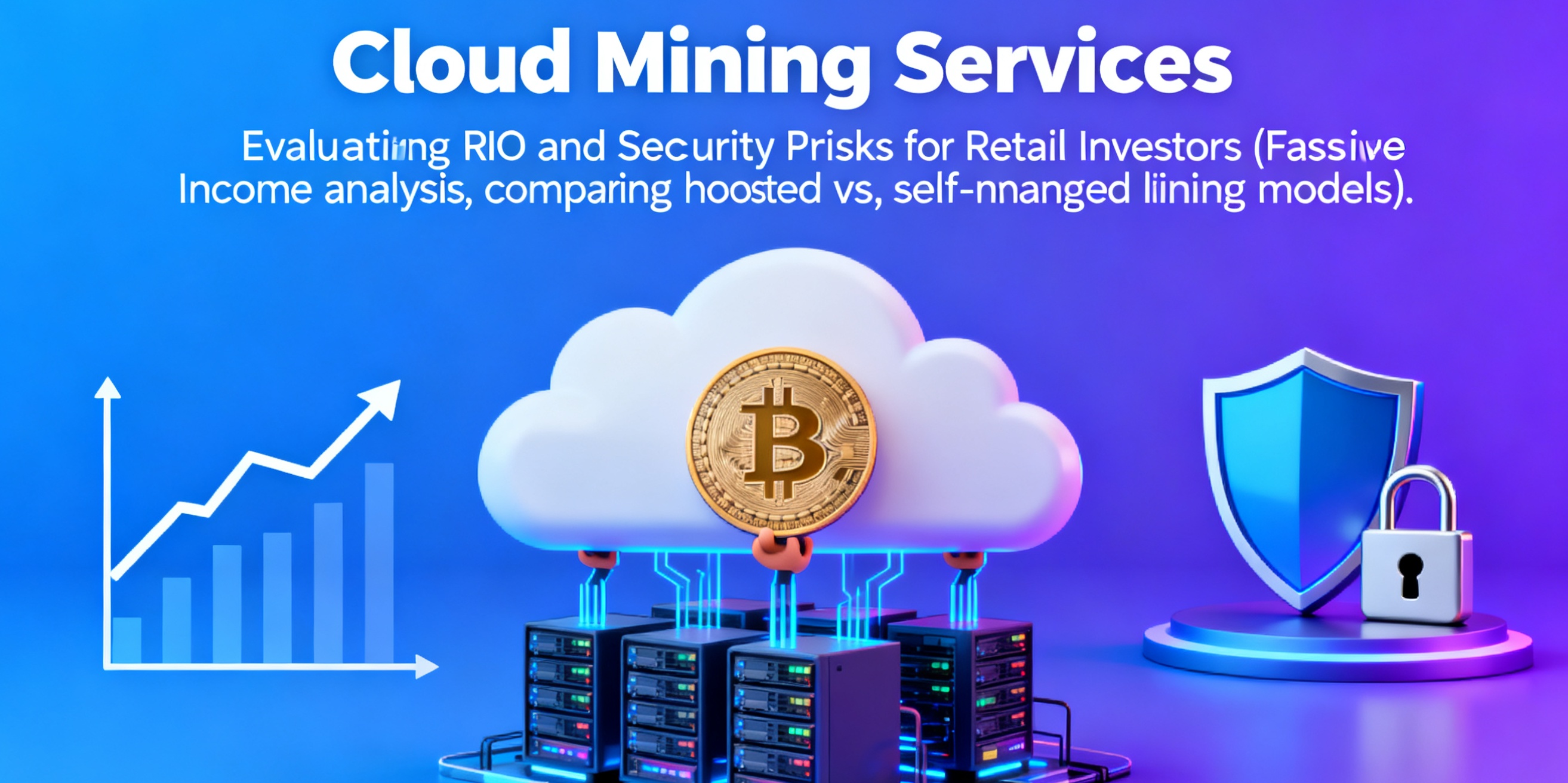
In the beginning, Bitcoin mining was a simple process accessible to anyone with a standard computer. The mysterious creator, Satoshi Nakamoto, mined the first blocks using a regular CPU. Today, the landscape has transformed into a highly competitive, industrial-scale operation. However, understanding how to start mining Bitcoin remains a fascinating entry point into the world of cryptocurrency. This guide walks you through the foundational steps and key considerations for beginning your mining journey.
The core concept of mining is validating transactions and securing the Bitcoin network. Miners use powerful computers to solve complex cryptographic puzzles. The first miner to solve the puzzle gets to add a new block of transactions to the blockchain and is rewarded with newly minted bitcoins and transaction fees. This process is known as Proof-of-Work.
For early enthusiasts, the primary method was CPU mining. Anyone could download the original Bitcoin client and use their computer's central processing unit to mine. This was feasible because the network difficulty was extremely low, and there were very few miners competing. It was a truly decentralized and egalitarian phase, but it didn't last long.
As Bitcoin gained value, miners sought more power. The next evolution was GPU mining. Graphics Processing Units, designed for rendering video games, were far more efficient at the parallel computations required for mining. This era saw miners building rigs with multiple high-end graphics cards, significantly increasing the hash rate—the measure of mining computational power.
Today, CPU and GPU mining for Bitcoin are largely obsolete due to the advent of ASIC miners. Application-Specific Integrated Circuits are hardware built solely for the purpose of mining Bitcoin. They are incredibly powerful and energy-efficient compared to general-purpose hardware but are also expensive and contribute to the professionalization of mining.
Before you consider mining, you must calculate profitability. Key factors include the cost of the ASIC miner, ongoing electricity costs (the biggest expense), the current Bitcoin price, and network mining difficulty, which regularly adjusts upwards. Use an online Bitcoin mining calculator to input these variables. For many individuals, especially in regions with high electricity costs, solo mining is no longer profitable.
This reality leads most beginners to join a mining pool. A mining pool is a group of miners who combine their computational power to increase their chances of solving a block. Rewards are then distributed among pool members based on the amount of hash power they contributed. Pools provide more frequent, smaller payouts, making mining viable for individuals.
Once you have a mining pool, you need a Bitcoin wallet to receive your rewards. Choose a secure wallet, whether it's a hardware wallet (cold storage) or a reputable software wallet. You will provide your public wallet address to the mining pool for payouts.
The final step is choosing your mining software and starting. For ASIC miners, the manufacturer often provides software. You'll configure this software with your pool's connection details and your wallet address. After setup, your miner will start working, and you can monitor its performance and earnings through your pool's dashboard.
While the romantic era of mining Bitcoin on a laptop is over, it remains an accessible activity if approached with careful research and managed expectations. The barriers to entry are now financial and logistical. For most, joining a pool is essential. Remember, mining is a high-risk venture with significant upfront costs and operational expenses. The crypto market is volatile, and profitability can vanish with a price drop or a spike in network difficulty. However, as a hands-on way to support the blockchain network and potentially earn bitcoin, mining continues to be a cornerstone of the cryptocurrency ecosystem.
Post a Comment