How to Mine Bitcoin: A Beginner's Step-by-Step Guide to Imitating the Process
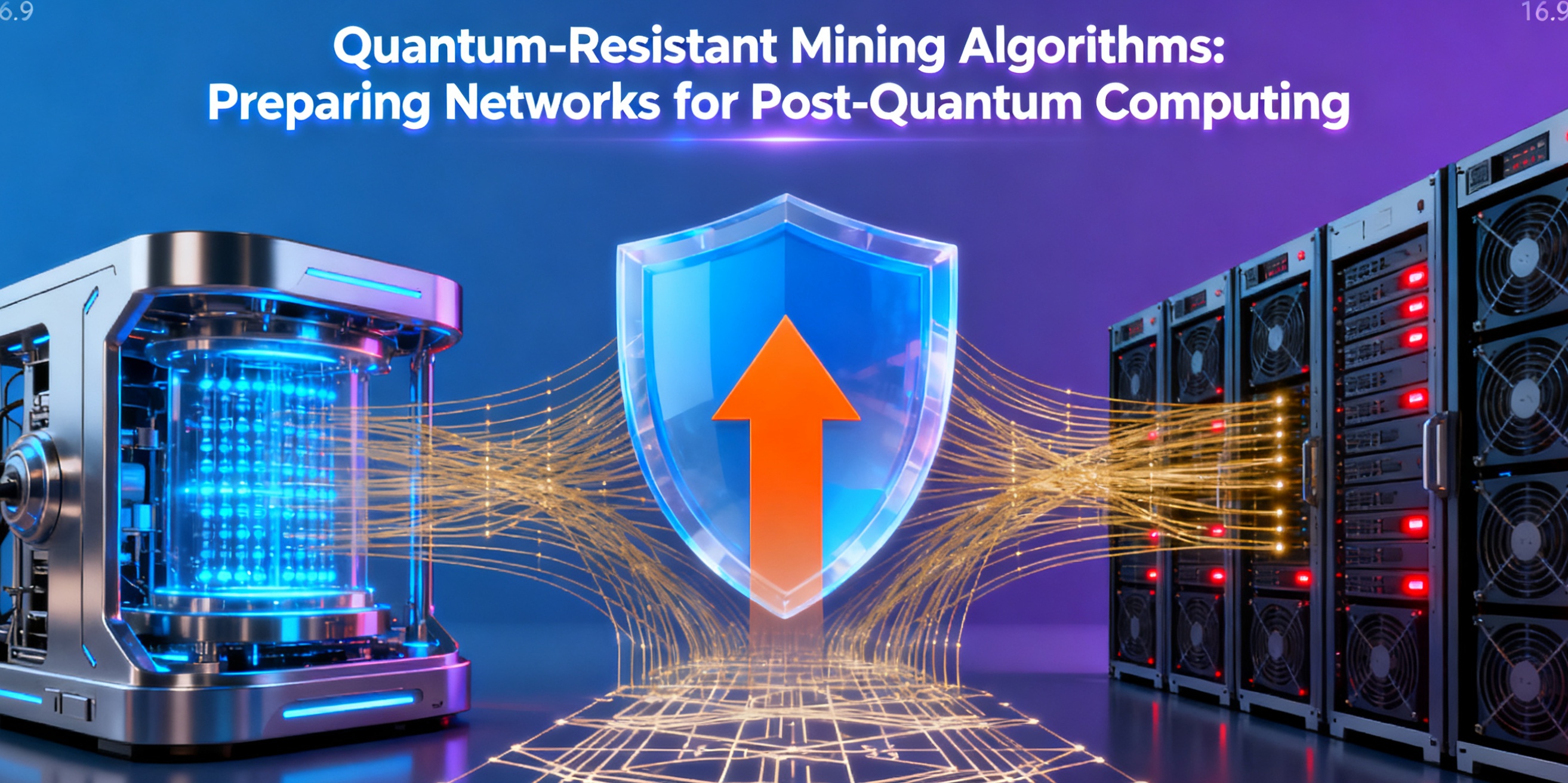
Bitcoin mining is a fascinating process that secures the network and creates new coins. While professional mining requires massive investment, you can learn how to imitate Bitcoin mining to understand the core concepts. This guide walks you through the essential steps and setups.
At its heart, Bitcoin mining involves computers solving complex mathematical puzzles. This process validates transactions and adds them to the blockchain, the public ledger. Successful miners are rewarded with new Bitcoin. To imitate this, you first need to grasp the proof-of-work consensus mechanism, where miners compete to find a valid hash.
The first step to imitate Bitcoin mining is choosing the right hardware. In the early days, people used regular CPUs. Today, professional miners use specialized Application-Specific Integrated Circuits (ASICs). For educational purposes, you can start with your computer's GPU to run mining software and see how it works, though earning significant rewards this way is unlikely.
Next, you'll need mining software. Programs like CGMiner, BFGMiner, or EasyMiner connect your hardware to the Bitcoin network. This software allows your computer to communicate with the blockchain, receive tasks, and submit completed work. Setting this up gives you a hands-on feel for the mining process.
Since solo mining is extremely difficult, most miners join a mining pool. A pool combines the computational power of all its members, increasing the chance of solving a block. Rewards are then shared based on contributed power. Joining a pool is a practical way to imitate real-world Bitcoin mining and potentially earn small amounts of Bitcoin.
A crucial step is setting up a Bitcoin wallet. This digital wallet stores your earnings and has a public address for receiving coins. Choose a secure wallet from a reputable provider before you start any mining activity, as you'll need to input this address into your mining software or pool dashboard.
With hardware, software, a pool, and a wallet ready, you can start the mining process. Configure your software with the pool's server details and your wallet address. Then, launch the program. You will see your hardware working, submitting shares (partial solutions) to the pool. This is the core experience of imitating Bitcoin mining.
It is vital to understand the costs involved, primarily electricity. Mining hardware consumes substantial power. You must calculate if potential earnings outweigh these costs. For most hobbyists imitating the process, the goal is education, not profit. Always be aware of the heat and wear-and-tear on your computer components.
Finally, stay updated. The world of cryptocurrency evolves rapidly. Network difficulty adjusts, new hardware launches, and market prices fluctuate. Engaging with online communities and following news will deepen your understanding as you explore how to imitate Bitcoin mining. Remember, this journey offers invaluable insight into blockchain technology's backbone.
Post a Comment