How to Start Bitcoin Mining: A Beginner's Step-by-Step Guide 2024
Bitcoin mining is the foundational process that secures the Bitcoin network and introduces new bitcoins into circulation. For many, it represents a fascinating intersection of technology, finance, and energy. But how does one actually start? This guide breaks down the essentials of how Bitcoin mining requires specific hardware, software, and knowledge to be successful.
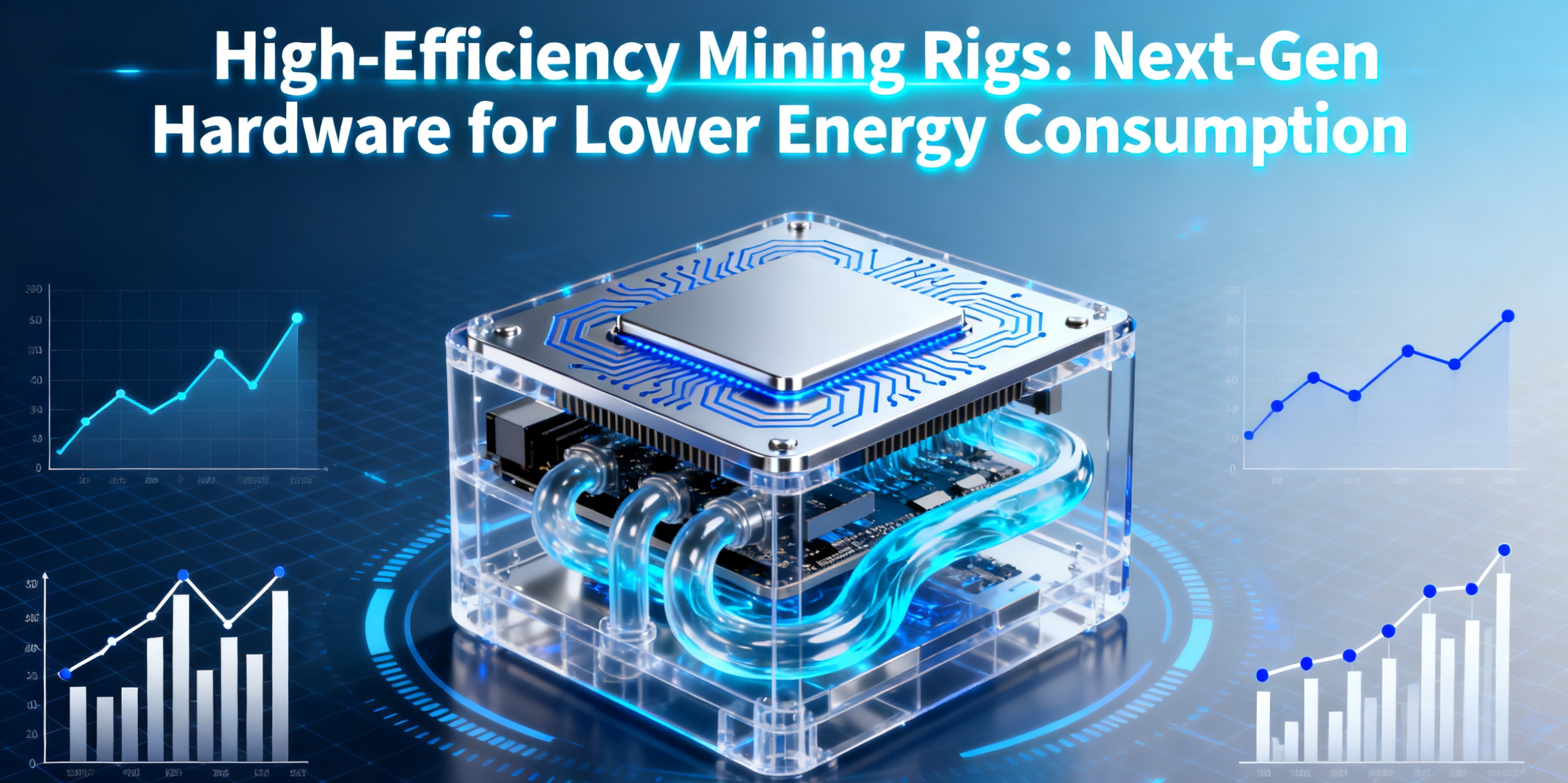
At its core, Bitcoin mining requires solving complex cryptographic puzzles. This is not done with a pickaxe, but with powerful computers. The first and most critical requirement is specialized hardware. In the early days, standard CPUs were sufficient, but today, the process is dominated by Application-Specific Integrated Circuits (ASICs). These devices are engineered solely for mining Bitcoin, offering unparalleled processing power and energy efficiency compared to general-purpose hardware. Choosing the right ASIC miner is a crucial first step, balancing factors like hash rate, power consumption, and upfront cost.
Beyond the physical hardware, Bitcoin mining requires a reliable and affordable source of electricity. Mining rigs operate 24/7, and energy costs can quickly erode or even surpass potential profits. This economic reality has driven miners to seek locations with low-cost power, often from renewable sources. Furthermore, effective heat management and a stable internet connection are non-negotiable infrastructure needs for a sustainable mining operation.
Software is the next key component. Bitcoin mining requires dedicated programs to connect your hardware to the blockchain network. This includes mining client software that allows your ASIC to communicate with the network and participate in solving blocks. You will also need to decide whether to mine solo—a near-impossible feat for individuals today—or join a mining pool. Pools combine the computational power of many miners, increasing the frequency of earning block rewards, which are then shared among participants based on contributed work. A digital Bitcoin wallet is also essential to receive and store your mining rewards securely.
Finally, Bitcoin mining requires a solid understanding of the economic landscape. The process is inherently competitive and governed by Bitcoin's protocol. The network's difficulty adjustment automatically changes how hard it is to find a new block, ensuring a steady rate of coin creation regardless of how much total mining power joins the network. This means profitability is not guaranteed and fluctuates with Bitcoin's market price, global hash rate, and your operational costs. Prospective miners must diligently calculate potential return on investment (ROI) using online calculators before committing significant resources.
In conclusion, starting Bitcoin mining requires careful planning and investment. It demands specialized ASIC hardware, low-cost energy, robust software, and a strategic approach through mining pools. While the prospect of earning Bitcoin is appealing, it is vital to approach mining as a serious technical and financial undertaking. By thoroughly researching hardware, calculating ongoing costs, and staying informed about network dynamics, beginners can navigate the complexities of this digital gold rush and build a foundation for their mining journey.
Post a Comment