How to Mine Bitcoin for Profit: A 2024 Beginner's Guide
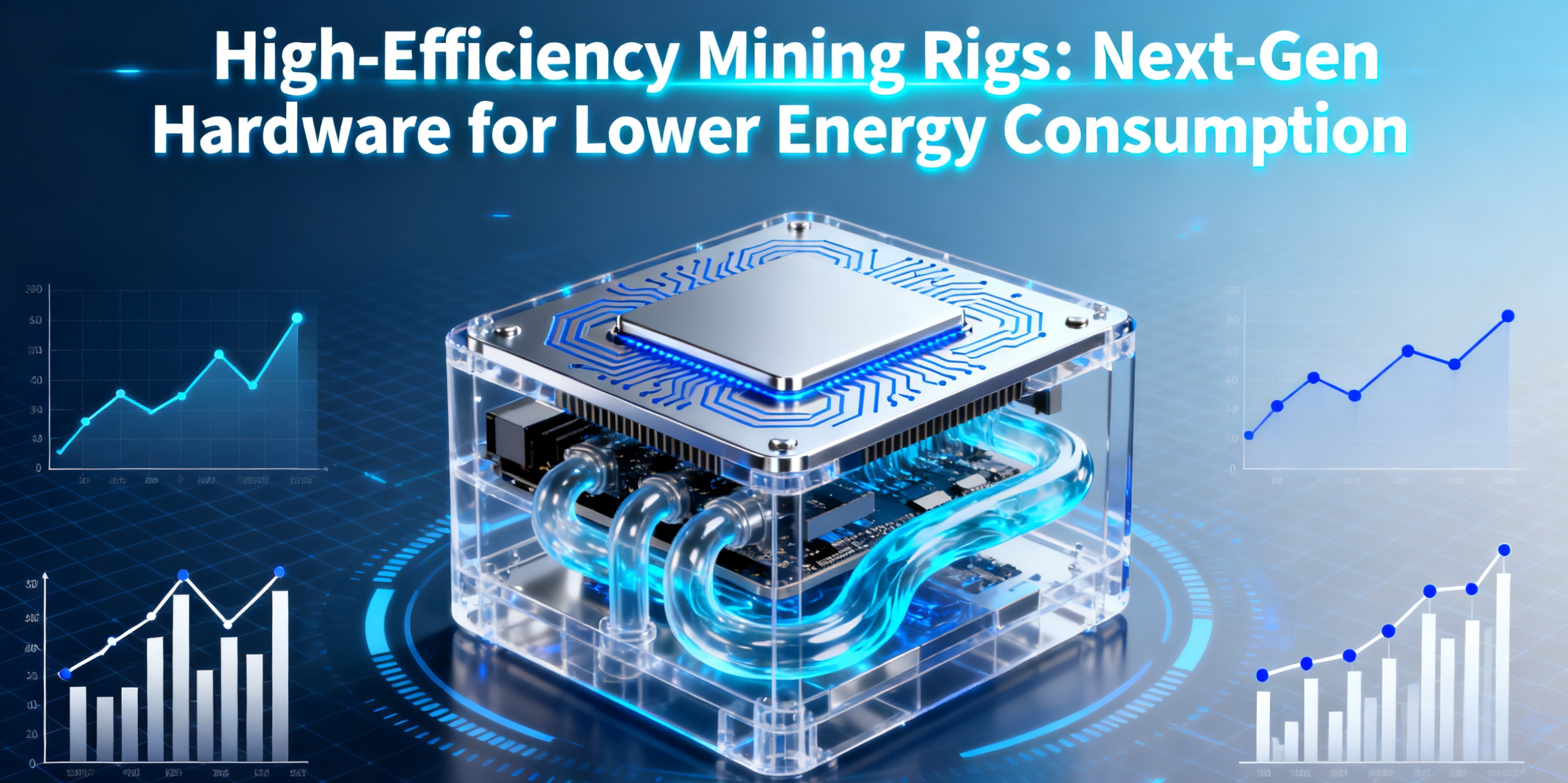
Bitcoin mining is the process that secures the network and creates new coins. For many, it represents a potential avenue for profit. While the days of mining with a simple laptop are long gone, it remains possible to generate income with the right approach. This guide outlines the essentials of how to make money through Bitcoin mining in the current landscape.
The core concept involves using specialized computer hardware to solve complex mathematical puzzles. Miners compete to validate transactions and add a new "block" to the Bitcoin blockchain. The first miner to solve the puzzle is rewarded with newly minted Bitcoin and transaction fees. This reward is how new Bitcoin enters circulation and how miners earn revenue.
Your primary consideration is hardware. Today, profitable mining requires Application-Specific Integrated Circuits (ASICs). These machines are designed solely for mining and offer vastly superior power compared to general-purpose computers. However, they represent a significant upfront investment and consume substantial electricity. Your profit hinges on the balance between the cost of the hardware, its computational power (hash rate), and your local electricity rate.
Before purchasing any equipment, you must calculate profitability. Use an online Bitcoin mining calculator. Input key variables: your ASIC's hash rate and power consumption, your electricity cost per kilowatt-hour (kWh), and the current Bitcoin price and network difficulty. This calculation will estimate your potential daily, monthly, and annual earnings, helping you determine if mining is viable for your situation.
Most individual miners join a mining pool. A pool combines the hash power of all its participants to increase the chances of finding a block. Rewards are then distributed among members based on their contributed work. While you receive smaller, more frequent payouts compared to solo mining, pooling is essential for steady income. Research and choose a reputable pool with reasonable fees.
Your operating environment is crucial. ASIC miners are loud and generate significant heat. You need a cool, well-ventilated space, such as a basement or a dedicated shed. Managing heat and noise is critical for both hardware longevity and quality of life. Furthermore, you must ensure your electrical circuit can handle the load safely to prevent fire hazards.
Beyond the technical setup, treat mining as a business. Track your expenses meticulously: hardware depreciation, electricity, internet, and any cooling costs. Be aware that in many jurisdictions, mined Bitcoin is considered taxable income upon receipt. The market is volatile; Bitcoin's price and network difficulty constantly change, directly impacting your earnings. Continuous monitoring and adjustment are necessary.
Is Bitcoin mining profitable for you? It can be, but it is no longer a simple plug-and-play path to riches. Success requires significant research, upfront capital, access to cheap electricity, and a tolerance for risk and technical management. For those without the resources for a personal mining operation, alternative options like cloud mining (renting hash power) exist but are often fraught with risk and lower profit potential. Thorough due diligence is the most important step before investing any money.
Post a Comment