How Bitcoin Mining Works: A Step-by-Step Guide for Beginners
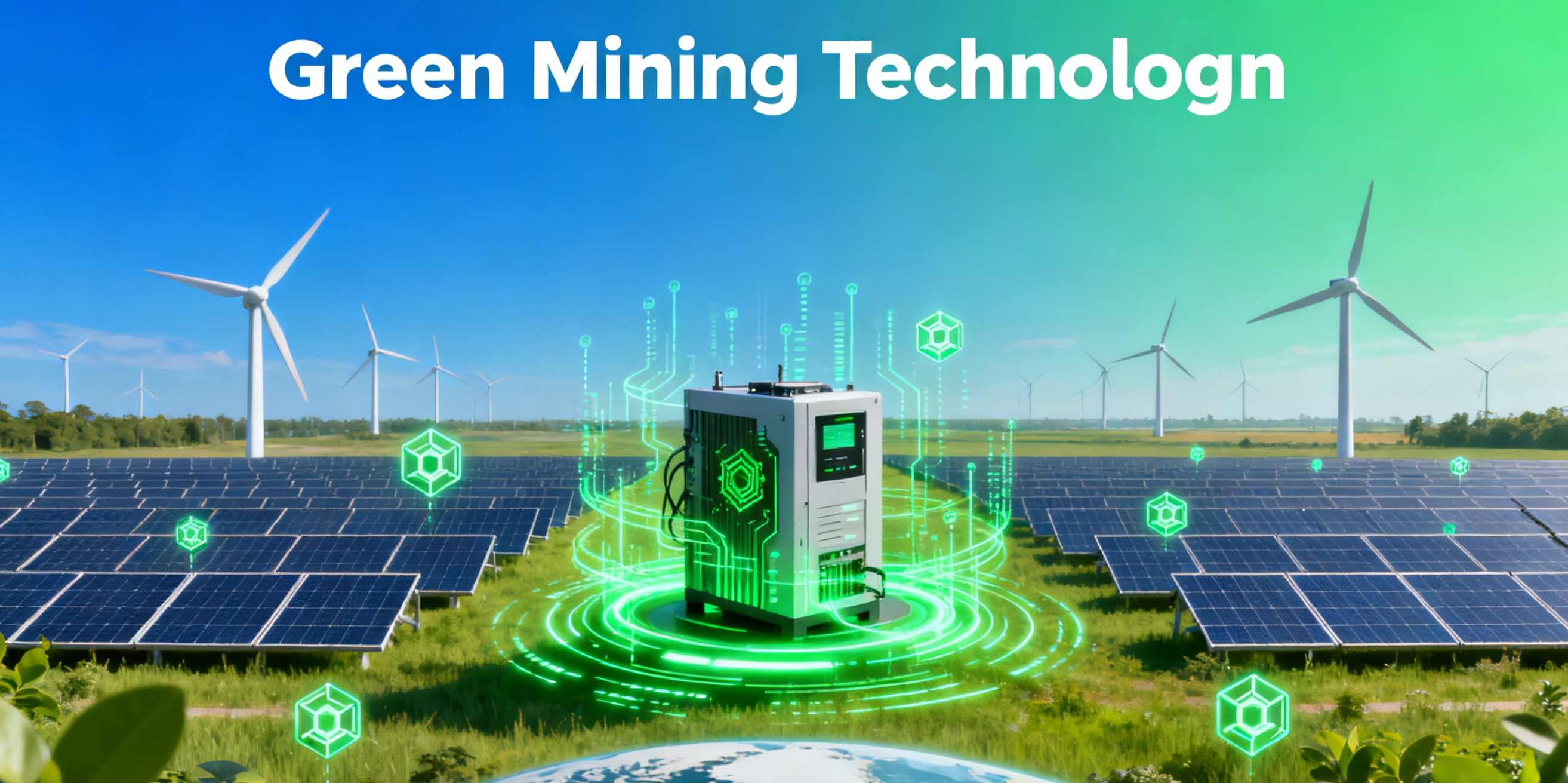
Bitcoin mining is the critical process that powers and secures the entire Bitcoin network. But how do Bitcoin miners actually "mine" new coins? At its core, mining involves specialized computers solving extremely complex mathematical puzzles. This process serves two vital functions: it introduces new bitcoins into circulation in a decentralized way, and it verifies and secures every transaction on the blockchain, preventing fraud and double-spending.
The mining process begins with the collection of new, unconfirmed transactions from the network. Miners bundle these transactions into a candidate block. Their primary task is to find a specific cryptographic number, called a "nonce," that, when combined with the block's data, produces a hash (a unique digital fingerprint) that meets a certain target set by the network. This target is what determines the "difficulty." Miners must make quintillions of random guesses per second to find a valid hash.
This is where immense computational power comes in. Miners use specialized hardware called ASICs (Application-Specific Integrated Circuits), which are designed solely for the purpose of calculating SHA-256 hashes as efficiently as possible. They run these machines in large warehouses or mining farms, often located where electricity is cheap to control costs. The miner or mining pool that first discovers the valid hash broadcasts it to the network for verification.
Once other nodes on the network confirm the solution is correct, the new block is added to the end of the blockchain—the immutable public ledger. The successful miner is then rewarded with newly minted bitcoins (the "block reward") and the transaction fees from all the transactions included in that block. This reward is the incentive that motivates miners to contribute their computational power.
The network's difficulty adjusts approximately every two weeks to ensure that a new block is found, on average, every 10 minutes, regardless of how much total mining power joins or leaves the network. This self-regulating mechanism ensures the stability and predictability of Bitcoin's issuance schedule. The block reward is also halved roughly every four years in an event known as the "halving," which controls Bitcoin's total supply until it reaches its maximum of 21 million coins.
Today, most miners join mining pools to combine their hashing power and share the rewards more consistently, rather than competing solo with a small chance of earning the entire reward. While the core concept is straightforward—guessing numbers to win bitcoin—the reality is an industrial-scale, energy-intensive global operation that forms the backbone of Bitcoin's security model. Through this ingenious combination of cryptography, economics, and decentralized competition, Bitcoin mining achieves a trustless consensus without the need for a central authority.
Post a Comment